Northing Vision
I’ve spent roughly half my career delivering civil infrastructure projects and the other half building software for the people who deliver them. Together, they have given me an informal education in design: what makes it work and what makes it fail.
My partner jokes that there is only one thing I reliably call beautiful: a good streetscape. Whenever we travel, I find myself looking down at kerbs, footpaths, drainage and materials, trying to understand why a place feels right, or why it doesn’t.
Building software for the built world is my life’s work. Northing brings those two halves of my career together.
Its mission is simple:
Help built-world teams design together and build better places.
The design reaches delivery in pieces.
I started working on infrastructure projects at 18. On construct-only contracts, designs usually arrived as PDFs and lightweight models. Working with specialist surveyors, I tested them against the site and helped make them real.
On one project, an existing water main ran directly beneath the proposed pile for a light pole. We caught the clash before drilling, but not until the piling crew was ready to begin. Moving the pile meant revising the surrounding design and waiting for approval while crew and plant costing roughly A$15,000 a day stood by.
The information existed, but the clash was difficult to see for three reasons:
- Reason 01The full design was difficult to see.
The road surface and hydraulic services were modelled in 3D, but the light pole and its pile were shown across 2D plans and sections. Understanding the pile’s true size and position meant piecing together several drawings.
- Reason 02The existing services were difficult to compare.
The water main appeared as a low-accuracy 2D polyline. Its 600-millimetre diameter and required clearance were not visible, so it looked far enough from the proposed pile.
- Reason 03Checking it properly took time the delivery team did not have.
I could sit with a surveyor and rebuild the information in 3D, but delivery teams are also managing staging, crews and programme. That level of manual checking did not scale.
More recently, I followed the problem upstream. Civil designers model the geometry needed to solve levels, surfaces and drainage in 3D, while much of the issued design is documented separately in 2D. BIM data and delivery outputs may be produced through other workflows again. Each output has a purpose, but changes and reasoning do not always travel between them.
The problem is not the absence of 3D. It is that the model often carries only part of the design.
Delivery teams inherit the result. When information conflicts with the site or cannot be delivered as drawn, they raise requests for information, or RFIs. On projects I worked on, they could run into the hundreds, pulling the delivery team, designer and client back into decisions after change had become expensive.
The best projects are shaped before anything is built.
Infrastructure projects often move like a relay: survey to design, design to review, review to tender and tender to delivery. Files travel more easily than the reasoning behind them, so delivery knowledge often arrives after decisions have become expensive to change.
Design-and-construct contracts bring delivery teams in earlier, but collaboration only works when everyone can understand and shape the same design.
Building software showed me another way. Product managers, designers and engineers have different responsibilities, but they keep the work visible, explore alternatives and improve it together.
In Let My People Go Surfing, Yvon Chouinard cites an observation by Dr Michael Kami:
“Only about 10% of a product’s costs are incurred during the design phase, but 90% of the costs are irrevocably committed.”
Yvon Chouinard, citing Dr Michael Kami
Infrastructure makes the principle physical. When knowledge arrives late, the cost appears as specialist time, rework and programme delay.
Both careers taught me that design should be a team process, not a handover. The right people need to shape one connected design while change is still possible.
The model should carry the whole design.
A kerb, footpath or pipe should remain the same thing wherever it appears.
Designers should be able to model it once, work with it in plan, profile, section or 3D, and produce drawings, quantities, BIM data and delivery outputs from the same design. Drawings remain necessary, but they should be views of the design, not separate versions of it.
The same model should give the whole project team a shared understanding. Designers author it, clients review it, surveyors add what they learn and delivery teams work from it.
Northing will work towards this in three phases:
- Phase 01Give delivery contractors model capability.
Help delivery teams view real project models in 2D and 3D, make minor updates and complete RFIs from the same accepted model.
- Phase 02Design infrastructure in one shared model.
Help designers create reusable civil elements once, then give the whole project team one model to explore, question and improve while change remains possible.
- Phase 03Become the system of record for autonomous delivery.
Carry trusted, human-approved design into machine-control systems and autonomous equipment so infrastructure can be delivered faster, at lower cost and to a higher standard.
Most people will never see the model, but they will live with its decisions for decades, so I’m building Northing to help more teams create places that feel right.

Will Smith
Field notes
Observations
Notes on streets, materials and the everyday decisions that make a place work.
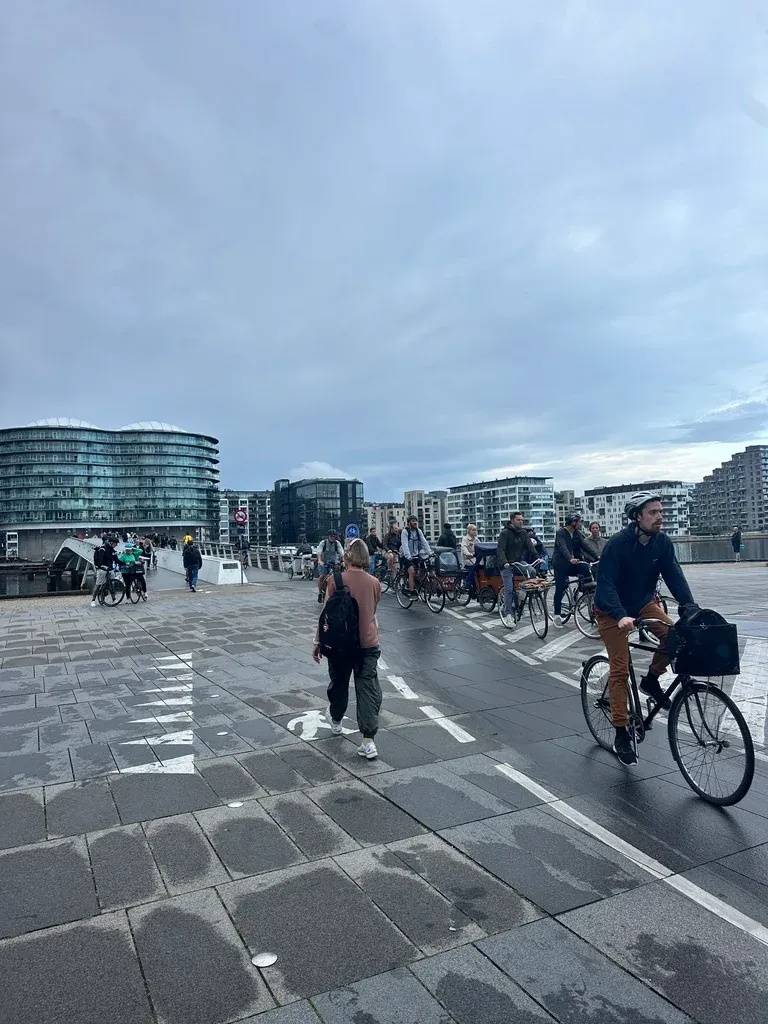
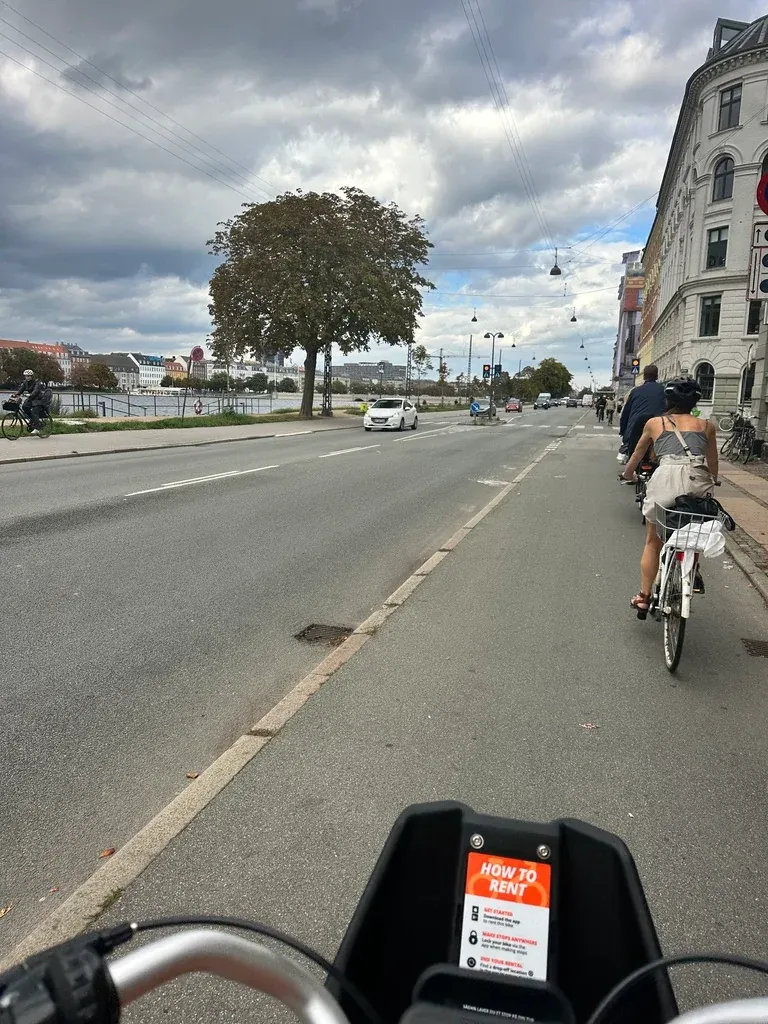
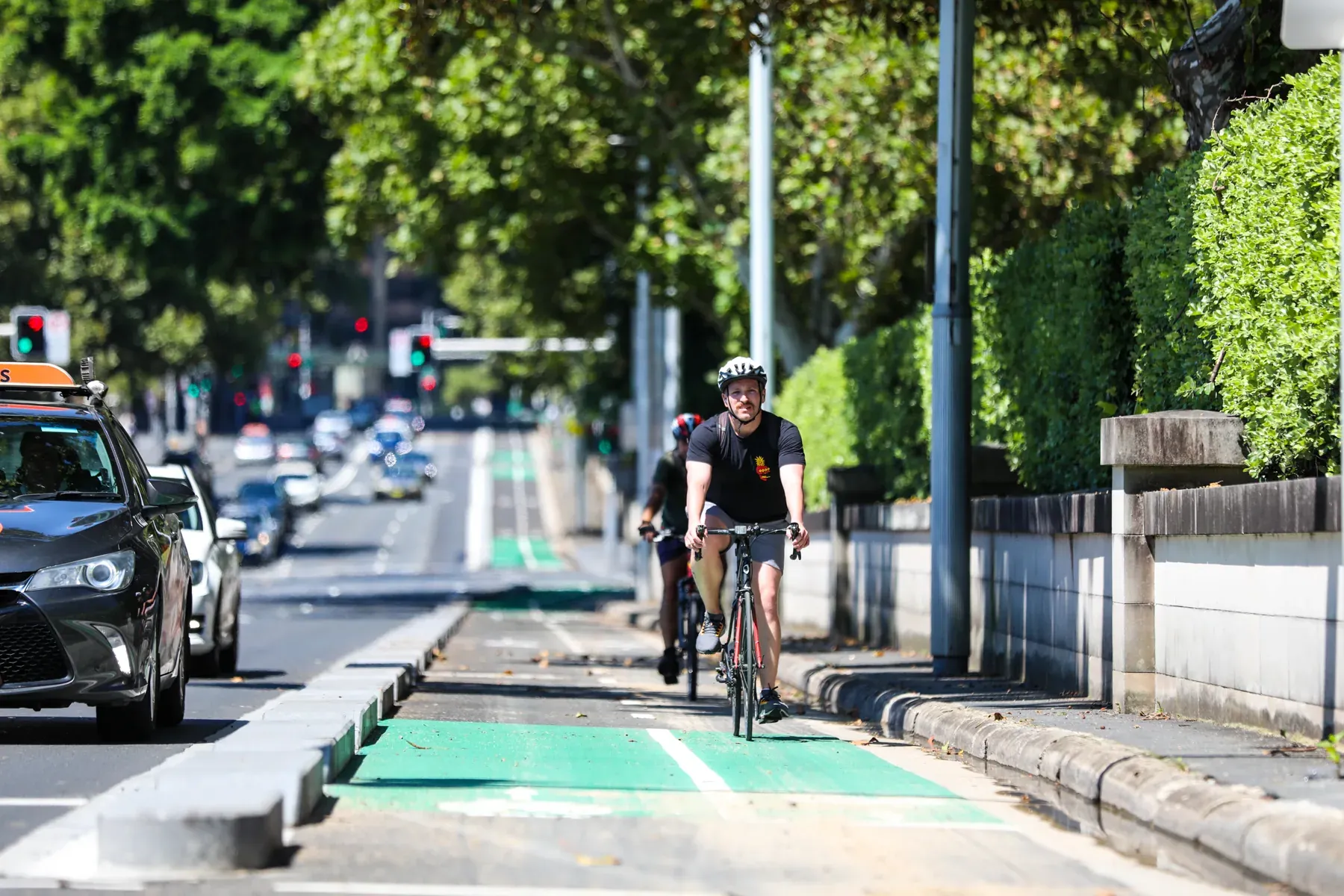
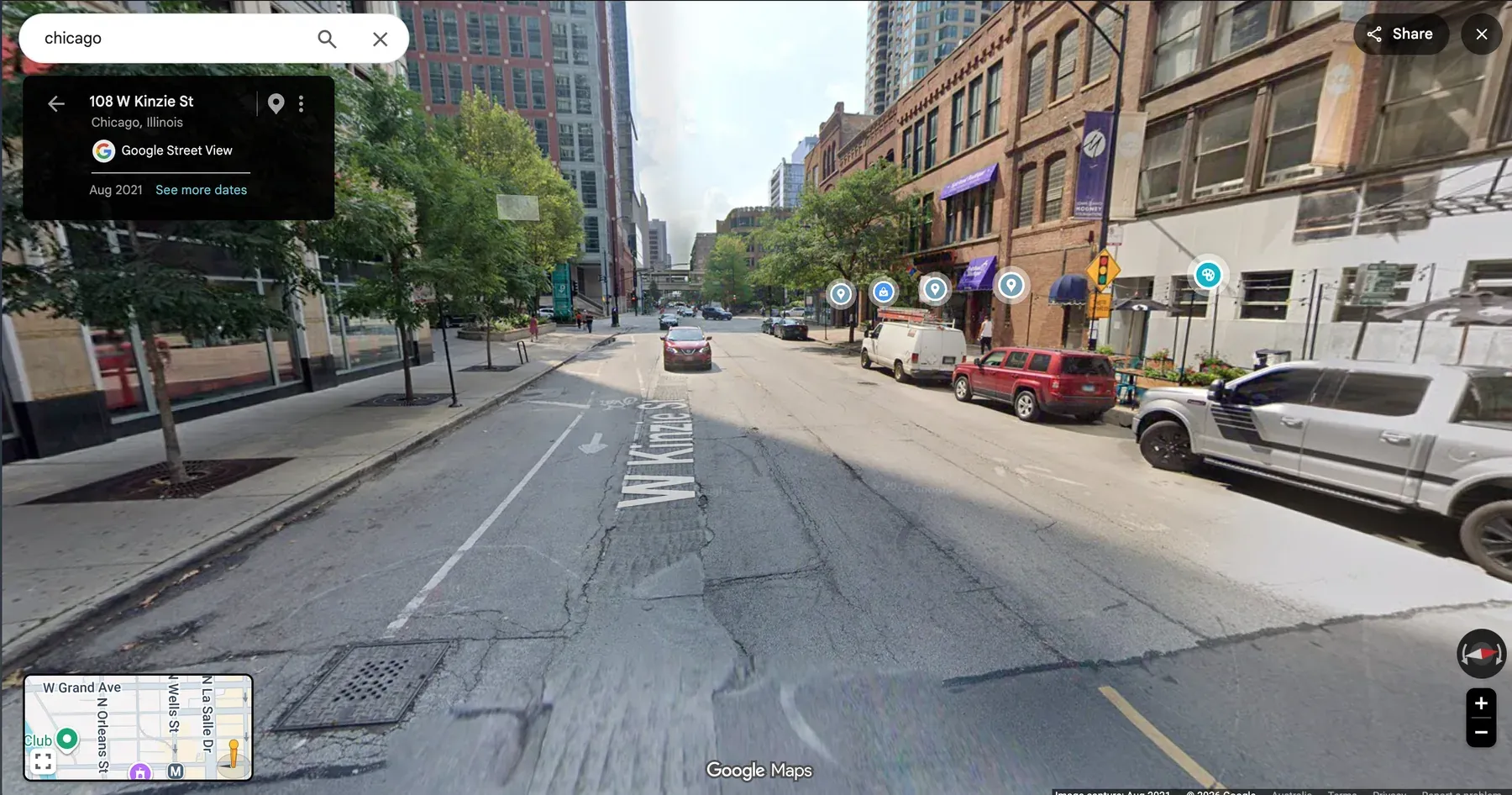
A painted line is not separation.
Copenhagen and Sydney give cyclists protected, continuous space. Chicago leaves riders exposed in traffic.
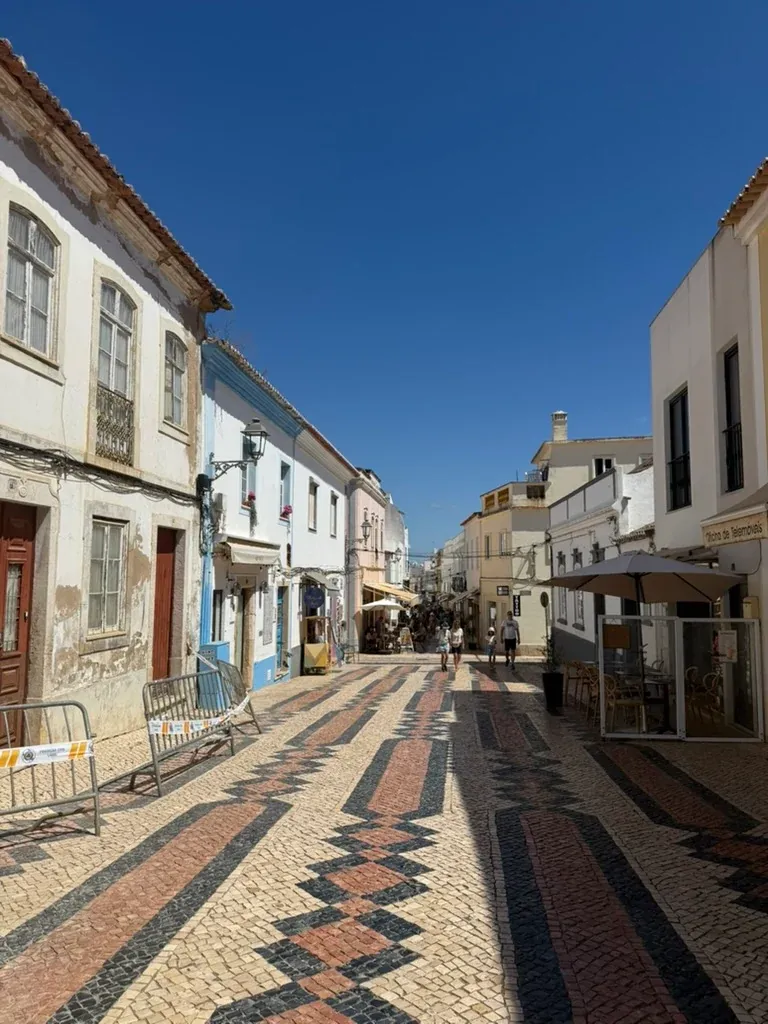
Beauty still has to work.
The patterned stone is beautiful, but slippery underfoot. Materials still have to work in daily use.
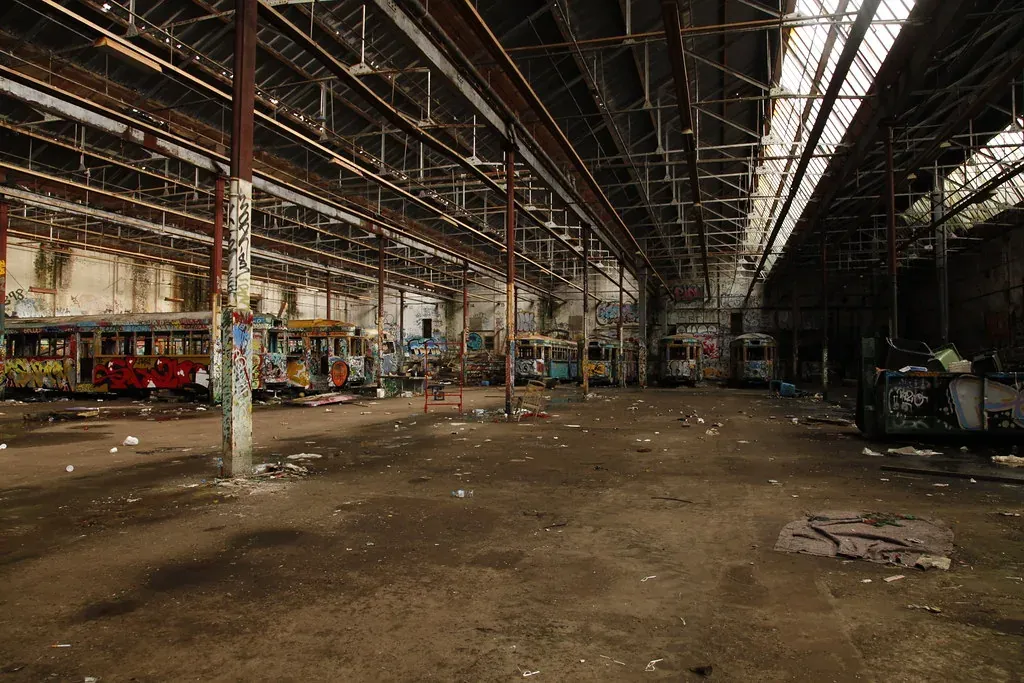
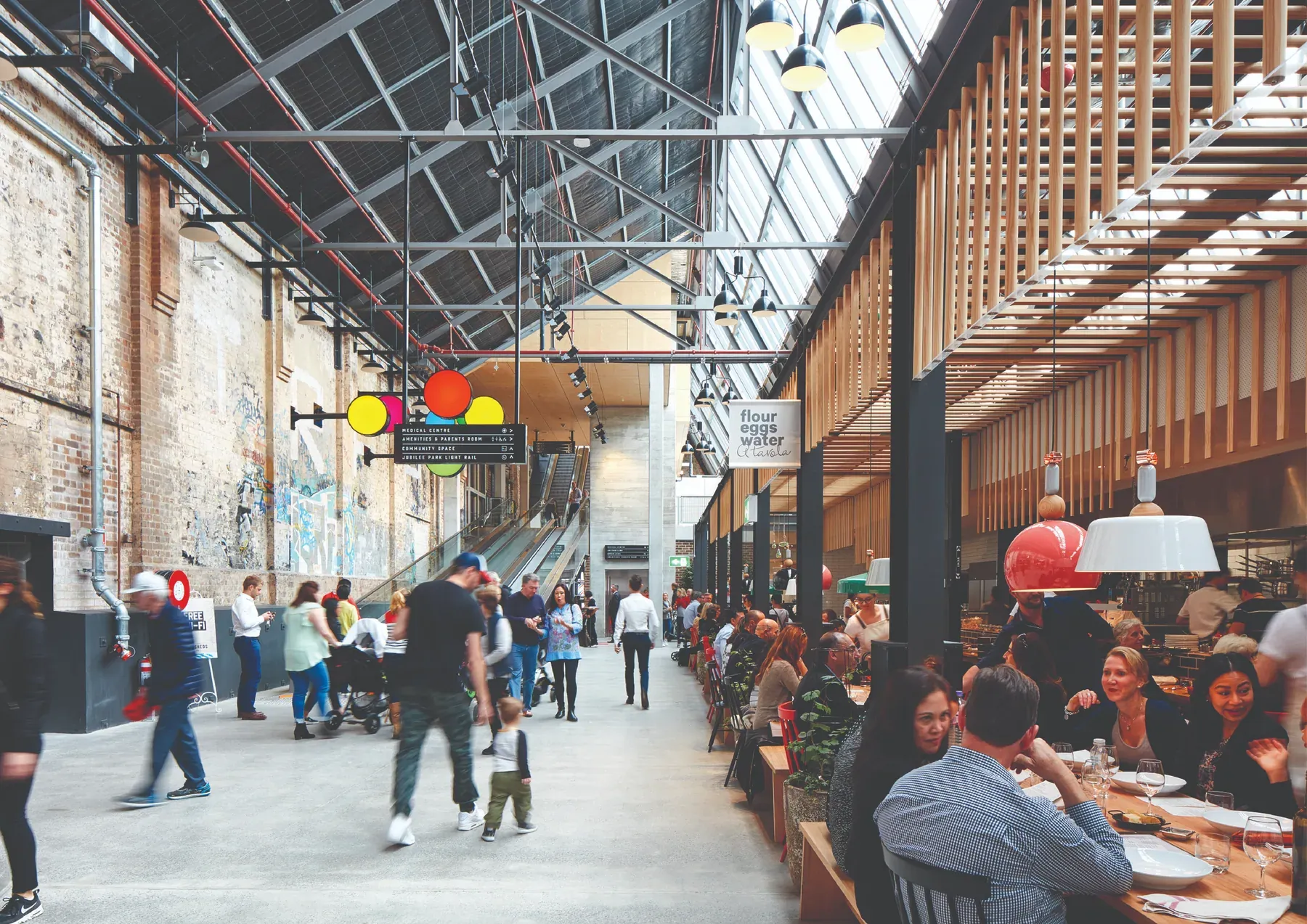
Old infrastructure can have another life.
On my first infrastructure project, an abandoned tram depot became a public place without losing what made it distinctive.
Want to talk?
will@northing.ai